On this page
The preparation that pays before a sale is the cheap kind: small repairs a surveyor would note, a deep clean, clear surfaces and floors, the EPC and a complete set of paperwork. Large projects such as a new kitchen or bathroom rarely return their cost in the price, take weeks and can delay the listing. Buyers judge most homes first on the photographs, so the aim is a home that looks its real size and condition on screen and holds up when they walk through the door.
This guide is general information and not legal, tax or financial advice.
What pays and what does not
| Usually worth doing | Usually not worth doing |
|---|---|
| Fixing drips, sticking doors, loose handles, cracked tiles | A new kitchen or bathroom |
| Re-sealing baths and showers, re-grouting | Extensions or loft conversions started for the sale |
| Painting marked or strongly coloured walls a light neutral | Expensive new flooring throughout |
| A deep clean, windows inside and out | Landscaping a large garden from scratch |
| Clearing gutters and cutting back the front garden | Replacing working appliances for looks |
| Servicing the boiler and keeping the record | Upgrades the buyer will rip out |
The test is simple: will a buyer or their surveyor see it and mark the home down? Damp patches, a slipped roof tile, a blown double-glazed unit or a cracked window pane all appear in survey reports and become a reason to renegotiate. Fix them before the survey, not after.
Declutter first
Clearing out is the cheapest preparation and the one with the biggest effect. Rooms with fewer things in them look larger in photographs and at viewings.
- Clear kitchen worktops down to the kettle and one or two items.
- Take a third of the clothes out of the wardrobes, because buyers open them.
- Remove extra furniture so every room has a clear route through it.
- Put away personal photographs, paperwork and anything with your name and address on it.
- Clear the hall, the stairs and the landing completely.
If you are moving anyway, start packing what you will not need before the move. A storage unit or a relative's garage for a few months is often money well spent.
The EPC: check the rating before you order
At the time of writing GOV.UK says you must order an Energy Performance Certificate before you market a home for sale, and it lasts ten years. The rating appears on every listing. Buyers planning to let will read a low rating as a cost, because rental properties must meet a minimum standard. Before the assessor visits, consider the cheap improvements that can count: low-energy bulbs throughout, loft insulation topped up, and the heating controls and boiler documents to hand so the assessor can credit what is there.
Paperwork: gather it now
Most delays after an offer come from documents nobody could find. Your solicitor will send you the property information forms, and the Law Society's TA6 form now asks for much of the material information the listing also needs. Put these in one folder:
- Proof of ID and your mortgage account details.
- Guarantees and warranties: damp-proofing, roofing, windows, boiler.
- Certificates: gas safety, electrical work, FENSA or similar for windows.
- Planning permissions and building regulations sign-off for every alteration, including a removed wall or a loft room.
- Boundary and parking details: who maintains which fence, any shared drive, any parking permit.
- For a flat: the lease, the last three years' service charge accounts and the management pack, covered in selling a leasehold flat.
Photography day
The photographs are taken once and seen by every buyer. Prepare the evening before.
- Open every curtain and blind, and turn on every light, including lamps.
- Clear the bathroom of toiletries, towels on the floor and the bin.
- Clear the kitchen worktops, the sink and the fridge door.
- Make beds with plain linen and plump the cushions.
- Move cars off the drive and bins out of sight for the front picture.
- Mow the lawn and sweep the patio, and put the garden furniture out.
Ask for a floorplan. Buyers use it to check room sizes against their furniture before they book a viewing.
Viewings
Keep the home ready to view at short notice for the first few weeks, when interest is usually highest. Before each viewing: open the windows for ten minutes, turn on the lights, set the heating to a comfortable temperature in winter, and put away the washing. Avoid strong cooking smells and heavy air fresheners alike.
Buyers usually speak more freely when the owner is out. If the agent accompanies viewings, ask for written feedback after each one: it tells you whether the price, the presentation or something you cannot change is the obstacle.
Pets
Some buyers are allergic to or nervous of animals, and pet smells are the thing owners stop noticing. Take dogs out during viewings where you can, clean and air rooms, put away bowls, beds, cages and litter trays, and repair scratched doors and chewed skirting before the photographs.
Parking
On many Bournemouth, Boscombe and cliff-top streets, parking is the question buyers ask first. Know your answer before the listing goes live: whether there is a driveway, garage or allocated space, whether the road is in a permit zone and how permits are issued, and whether there is any visitor parking. On viewing days, leave your own space or the nearest kerb free for the buyer if you can.
Outside and first impressions
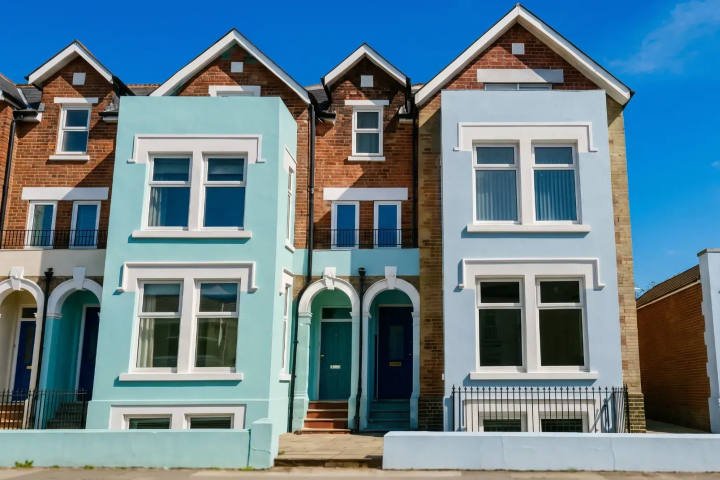
Buyers form a view before they reach the front door, and the front of the house is usually the first photograph. Clear weeds from the path and the drive, cut back hedges, wash the front door and replace a tired house number or letterbox. Put bins out of sight. For a flat, check the communal hall: if the post piles up or the bulbs are out, ask the managing agent to deal with it before viewings start.
Next steps
Read how to sell your home for the whole sale in order, or ask for a property valuation and we will tell you which jobs are worth doing before you list.